Friday, July 27, 2012
Positively Dancing: How to select the right dance school
Positively Dancing: How to select the right dance school: Well it's that time of year again - registering your child for ther dance classes. If you have started looking for a great dance studio then...

How to select the right dance school
Well it's that time of year again - registering your child for ther dance classes. If you have started looking for a great dance studio then you may realize that it's not going to be a simple find.
So what does a parent need to think about when signing up their child for dance? What questions should you ask? Here are a few steps to take when searching for the best dance instruction and environment.
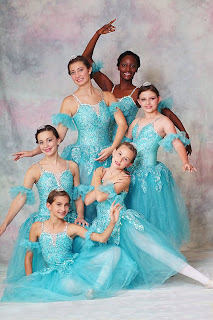 Step One - Get some recommendations. Find out from other parents and family members what they know about different dance academies and if their children enjoy the dance classes. You could also get some information about how the classes run and what the studio looks like. Does it feel like a "formal" environment? Or is it more of a "fun" place to be? If you can't find anyone to give a recommendation then you will just need to move onto step two.
Step Two - Start making some phone calls. If you weren't able to get any recommendations, find a few numbers for your local dance studios on the internet and in the phone book and work from there. Once you get into contact with a studio start asking some basic questions:
Step Three - Visit the studio. Once you are at the establishment you'll want to look around a bit and make note of a few things. Ask a few more questions while you are touring as well.
Step Four - Interview the staff and/or dance instructor. Now is the time to get into the details.
Find out:
1. Teaching philosophy: Different dance schools teach dancing differently. One school may be all about teaching the proper form and style, while the other takes more of a laid back and fun approach. Does the instructor foster good self-esteem? Is the focus on school recreation or is it more about pre-professional training? You need to think about your own child's personality and goals when choosing which teaching style will fit them best.
2. Parental involvement: Dance studios will have different practices when it comes to family involvement. Some schools will have students dropped off at a certain time while others have them right there in the trenches with the kids. Also, how are the parents kept informed about the classes and the students' progress? Is there a viewing area for parents to watch their child as they dance? Can parents stay and help? Are they expected to stay and help? Some schools have family days or other special events that require extra parental involvement, so this is something you'll want to discuss as well.
3. Teacher qualifications: The dance instructor's academic background and their general ideas about dance can help you in determining if the program is right for your child. Find out about the teacher's qualifications and dance background. Is he or she associated with any professional dance or performance association? The important thing here is to have a teacher that is qualified to work with your child.
4. More about the extras: Many schools will have a year-end show or recital. Students that perform in these shows will normally have to wear one or more costumes for their dance number(s). Some dance studios require parents to sew their child's costume or to have a seamstress do the sewing for them. This is another added expense to think about. It will also take some time on the parent's part. Some dance studios will also take part in other concerts, exams, performances and camps. Find out what is expected of you and your child when it comes to all of the activities outside of dance class.
5. Facts about the school: Sometimes it is a good sign if a school is well established. If a school has been open and successful for a number of years they must be doing something right. The school might also participate in yearly concerts or contests. Find out about the statistics surrounding the dance studio. Are the students successful in their dancing activities? What about students that have moved on to perform professionally after attending the school?

Step Five - Sign them up! If you get through the previous steps and like what you see and hear then it's time to register your child and get them ready for their first dance class. I would suggest taking a look at more than one dance studio. You might like the first establishment just fine, but the second or third you visit could really supersede your expectations. No reason to regret this type of commitment if it can be avoided.
I hope this helps you find a place for the most amazing dance memories EVER!
~Kelley King
www.TheDance-Central.com
So what does a parent need to think about when signing up their child for dance? What questions should you ask? Here are a few steps to take when searching for the best dance instruction and environment.
 Step One - Get some recommendations. Find out from other parents and family members what they know about different dance academies and if their children enjoy the dance classes. You could also get some information about how the classes run and what the studio looks like. Does it feel like a "formal" environment? Or is it more of a "fun" place to be? If you can't find anyone to give a recommendation then you will just need to move onto step two.
Step Two - Start making some phone calls. If you weren't able to get any recommendations, find a few numbers for your local dance studios on the internet and in the phone book and work from there. Once you get into contact with a studio start asking some basic questions:
- What programs are offered for your child's age group?
- How many other students would be in the class with your child? (A smaller class size allows for more individualized instruction)
- What is the monthly charge and registration fee for the class?
- What extra costs (uniform and end of year costumes) come with the dance class?
Step Three - Visit the studio. Once you are at the establishment you'll want to look around a bit and make note of a few things. Ask a few more questions while you are touring as well.
- Find out what type of dance floor is used. Young students need a slip resistant surface for protection from falling. Older students need more protection when they are jumping and executing more complex movements. The best type of dance floor for older students would be a "floating" floor or a "sprung" floor that allows for a small amount of "give." In addition to the dance floor, ask yourself if the studio has proper heating and cooling.
- Find out about the studio's first aid practices as well.
- Are changing rooms available for use?
Step Four - Interview the staff and/or dance instructor. Now is the time to get into the details.
Find out:
1. Teaching philosophy: Different dance schools teach dancing differently. One school may be all about teaching the proper form and style, while the other takes more of a laid back and fun approach. Does the instructor foster good self-esteem? Is the focus on school recreation or is it more about pre-professional training? You need to think about your own child's personality and goals when choosing which teaching style will fit them best.
2. Parental involvement: Dance studios will have different practices when it comes to family involvement. Some schools will have students dropped off at a certain time while others have them right there in the trenches with the kids. Also, how are the parents kept informed about the classes and the students' progress? Is there a viewing area for parents to watch their child as they dance? Can parents stay and help? Are they expected to stay and help? Some schools have family days or other special events that require extra parental involvement, so this is something you'll want to discuss as well.
3. Teacher qualifications: The dance instructor's academic background and their general ideas about dance can help you in determining if the program is right for your child. Find out about the teacher's qualifications and dance background. Is he or she associated with any professional dance or performance association? The important thing here is to have a teacher that is qualified to work with your child.
4. More about the extras: Many schools will have a year-end show or recital. Students that perform in these shows will normally have to wear one or more costumes for their dance number(s). Some dance studios require parents to sew their child's costume or to have a seamstress do the sewing for them. This is another added expense to think about. It will also take some time on the parent's part. Some dance studios will also take part in other concerts, exams, performances and camps. Find out what is expected of you and your child when it comes to all of the activities outside of dance class.
5. Facts about the school: Sometimes it is a good sign if a school is well established. If a school has been open and successful for a number of years they must be doing something right. The school might also participate in yearly concerts or contests. Find out about the statistics surrounding the dance studio. Are the students successful in their dancing activities? What about students that have moved on to perform professionally after attending the school?

Step Five - Sign them up! If you get through the previous steps and like what you see and hear then it's time to register your child and get them ready for their first dance class. I would suggest taking a look at more than one dance studio. You might like the first establishment just fine, but the second or third you visit could really supersede your expectations. No reason to regret this type of commitment if it can be avoided.
I hope this helps you find a place for the most amazing dance memories EVER!
~Kelley King
www.TheDance-Central.com
Saturday, June 23, 2012
Wednesday, April 11, 2012
Positively Dancing: Practice makes PERMANENT
Positively Dancing: Practice makes PERMANENT: I am sure everyone has heard the saying, "practice makes perfect" or even the newer spin on it, "perfect practice makes perfect performance"...
Practice makes PERMANENT
I am sure everyone has heard the saying, "practice makes perfect" or even the newer spin on it, "perfect practice makes perfect performance". I stand up (or sit down as I am typing) before you and say, "NO!" Those are both incorrect statements.
Perfection is not an attainable or relaistic goal! And for some folks, I would even go so far as to say, that it's a way of being lazy and getting out of doing their best. So why are we setting up our young people for so much failure??
I prefer to teach my students (and they have been of varied talents, skills, interests & backgrounds) that the way you repeatedly practice something is the way you are going to "perform" it- whatever IT is. I instruct them learn to be their own coach when I am not with them and to atempt to self-correct. I LOVE it when they begin recognizing the errors or bad technique in themselves (eventually in others) and know what to do to correct it or (and here's the big one!!! ) ASK for direction to get them past this stumbling point and onto the next and the greater....!!!!
Ask yourself some of these questions the next time you're in rehearsal or dance class:
I would love to hear more of the questions YOU ask yourself when practicing!
This time of year is so important for most dancers to really focus on mastering their choreography. Let me hear how you get your dances mastered and what teachiniques help you!! I will include them in my follow up blog.
 Until then, have a SPARKLE-y day!
Dancingly yours....
Kelley King
Dance Central
TheDanceCentral@yahoo.com
Perfection is not an attainable or relaistic goal! And for some folks, I would even go so far as to say, that it's a way of being lazy and getting out of doing their best. So why are we setting up our young people for so much failure??
I prefer to teach my students (and they have been of varied talents, skills, interests & backgrounds) that the way you repeatedly practice something is the way you are going to "perform" it- whatever IT is. I instruct them learn to be their own coach when I am not with them and to atempt to self-correct. I LOVE it when they begin recognizing the errors or bad technique in themselves (eventually in others) and know what to do to correct it or (and here's the big one!!! ) ASK for direction to get them past this stumbling point and onto the next and the greater....!!!!
Ask yourself some of these questions the next time you're in rehearsal or dance class:
- Did I just do MY very best?
- What can I do to improve the next time?
- Do I hear my teacher's voice giving direction in my head while I am practicing?
- Have I asked for help where I am struggling with certain areas?
- Is this how I want to perform this dance?
- What more can I do to reach the next level as a performer?
- Am I lifting other dancers up around me?
- Am I visualizing my very best performance(s) in my head before I drift off to sleep? ( I highly recommend this one!)
I would love to hear more of the questions YOU ask yourself when practicing!
This time of year is so important for most dancers to really focus on mastering their choreography. Let me hear how you get your dances mastered and what teachiniques help you!! I will include them in my follow up blog.

Dancingly yours....
Kelley King
Dance Central
TheDanceCentral@yahoo.com
Thursday, March 1, 2012
Positively Dancing: Sweet Feet!Have you been good to your feet today...
Positively Dancing: Sweet Feet!
Have you been good to your feet today...: Sweet Feet! Have you been good to your feet today? What have you done for them lately? As dancers, our feet take a serious POUNDING! Hou...
Have you been good to your feet today...: Sweet Feet! Have you been good to your feet today? What have you done for them lately? As dancers, our feet take a serious POUNDING! Hou...
Sweet Feet!
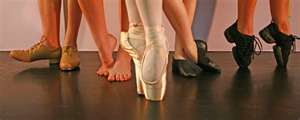 Have you been good to your feet today? What have you done for them lately?
As dancers, our feet take a serious POUNDING! Hour after hour of each dance class ... ballet, followed by jazz then lyrical, the next day you're tapping and practicing leaps & turns, let's not forget about pointe - UGH!
Make sure you treat your feet with some sweet, tender loving care.
I keep them in a sealed bag in my refrigerator. At then end of the day, I massage a little lotion on my feet (after a wet washcloth), put the Yoga Toes on my feet and sit for 20 minutes while they do the work of stretching and relaxing my poor, tired and sometimes even aching feet! They are worth the investment!
Check it out here: http://www.yogapro.com/products/YogaToes.html?utm_source=adCenter&utm_medium=cpc&utm_campaign=YogaToes%2BKeywords%2B-%2BUSA
Have you been good to your feet today? What have you done for them lately?As dancers, our feet take a serious POUNDING! Hour after hour of each dance class ... ballet, followed by jazz then lyrical, the next day you're tapping and practicing leaps & turns, let's not forget about pointe - UGH!
Make sure you treat your feet with some sweet, tender loving care.
- Run a hot bath and add your favorite scented soak or Epsom salt.
- Rest your feet in the soothing bath for about 10-15 minutes (I like to create a soothing ambiance- music, aromatic candles, maybe a glass of wine)
- Clip your toenails while they are soft.
- File your toenails to smooth any rough edges.
- Use a pumice stone or foot file on the calloused areas of your feet (big toes, ball of foot, heels)
- Scrub your legs from the knee down with your favorite body scrub - invigorating & relaxing!
- Towel dry
- Massage with your legs with a moisturizing lotion.
I keep them in a sealed bag in my refrigerator. At then end of the day, I massage a little lotion on my feet (after a wet washcloth), put the Yoga Toes on my feet and sit for 20 minutes while they do the work of stretching and relaxing my poor, tired and sometimes even aching feet! They are worth the investment!
Check it out here: http://www.yogapro.com/products/YogaToes.html?utm_source=adCenter&utm_medium=cpc&utm_campaign=YogaToes%2BKeywords%2B-%2BUSA
Subscribe to:
Posts (Atom)